I was diagnosed with type 2 diabetes on September 2, 2009. By then, I was already being treated for hypertension, high cholesterol and depression. Shortly after my diagnosis, I started tracking my blood glucose levels, initially in the little book you see below and later on my phone. I also began a regimen of medications that would evolve through the years. Here’s where it started:

Sept 17, 2009
There were many changes over the years, including supplements, prescriptions and over-the-counter medications. In July 2010, I started an injectable medication called Byetta, which treated my diabetes and was supposed to reduce my appetite. A few years later that was replaced by another injectable called Bydureon. Eventually, Bydureon was replaced by Ozempic. I credit these GLP-1 medications with helping me keep my weight under 400 lb.

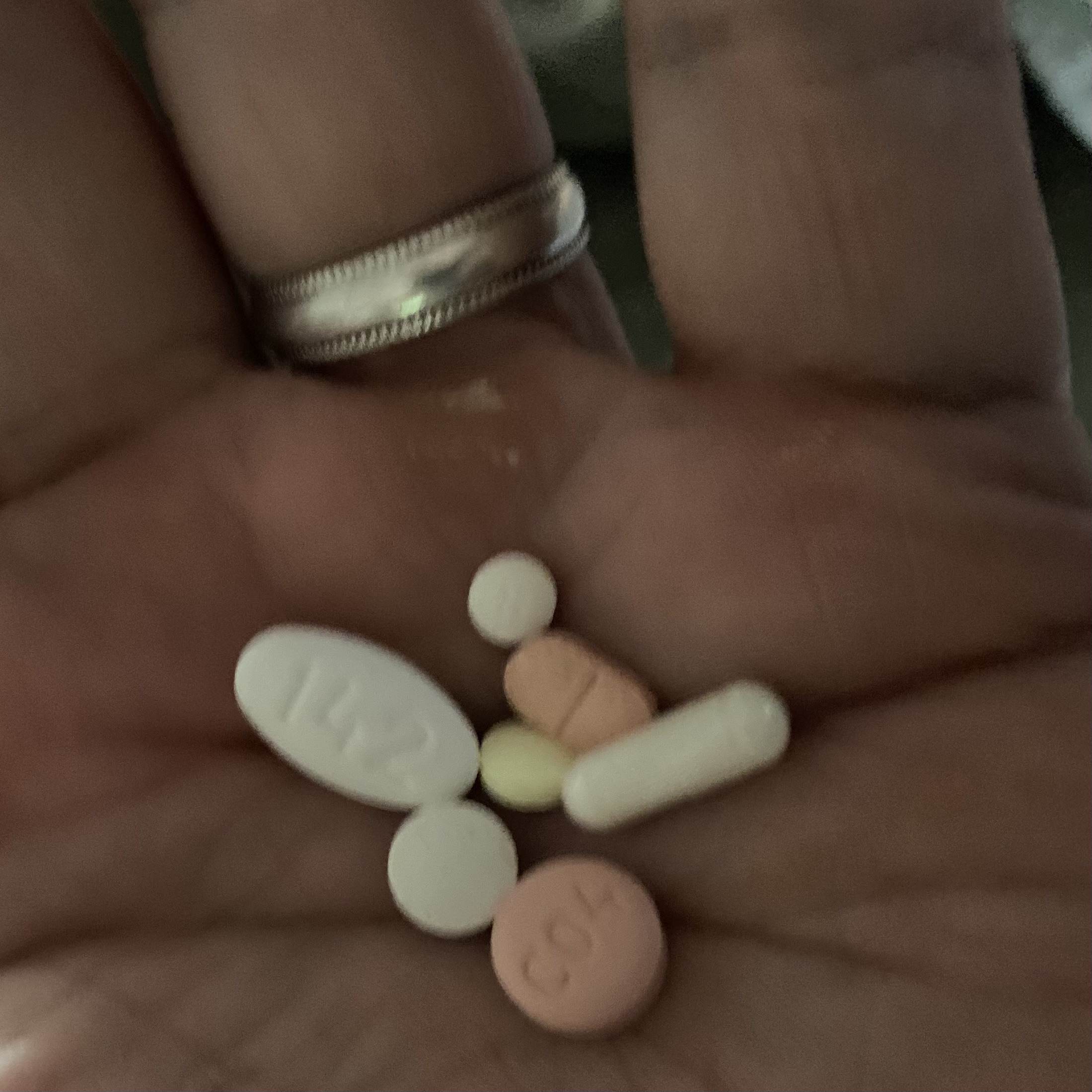
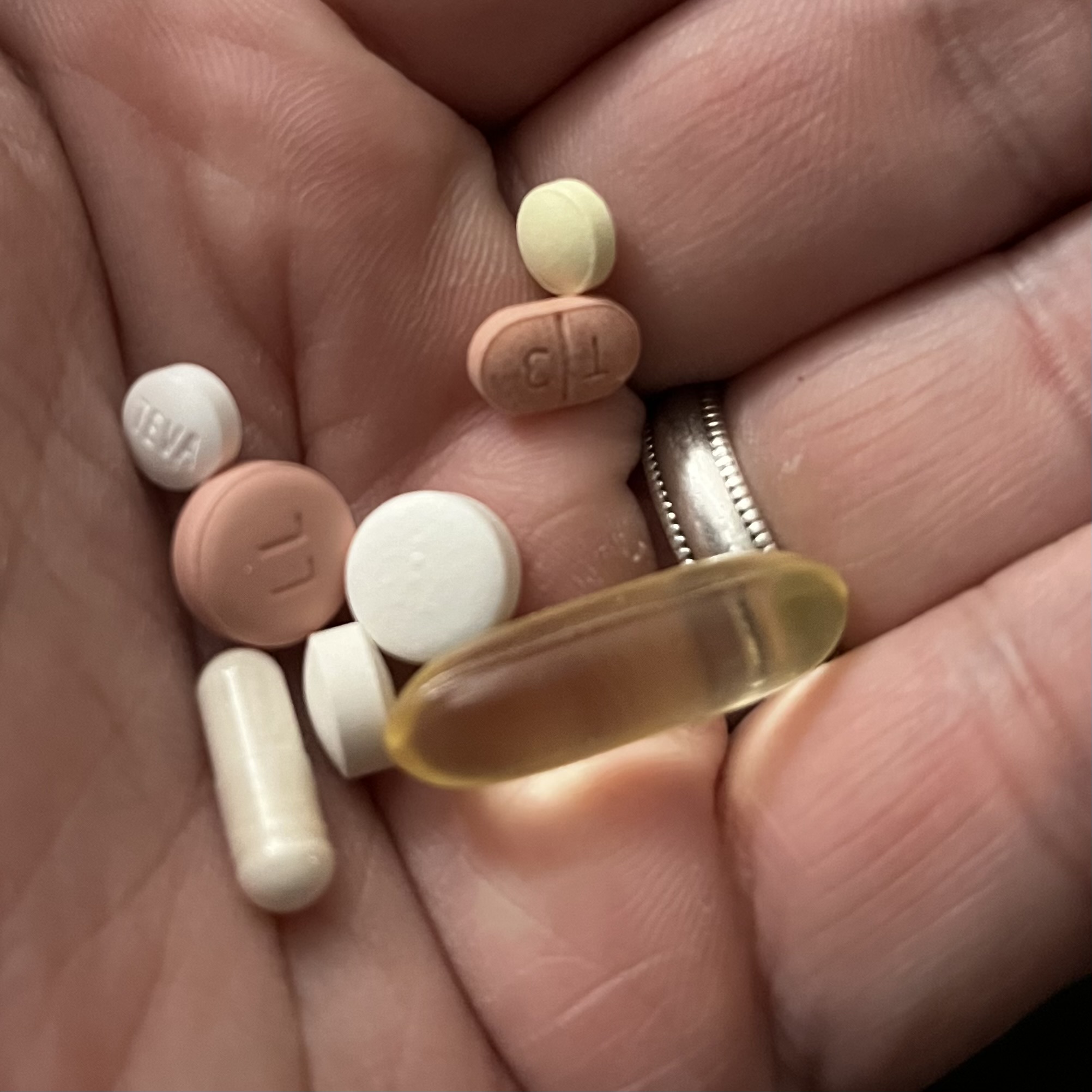
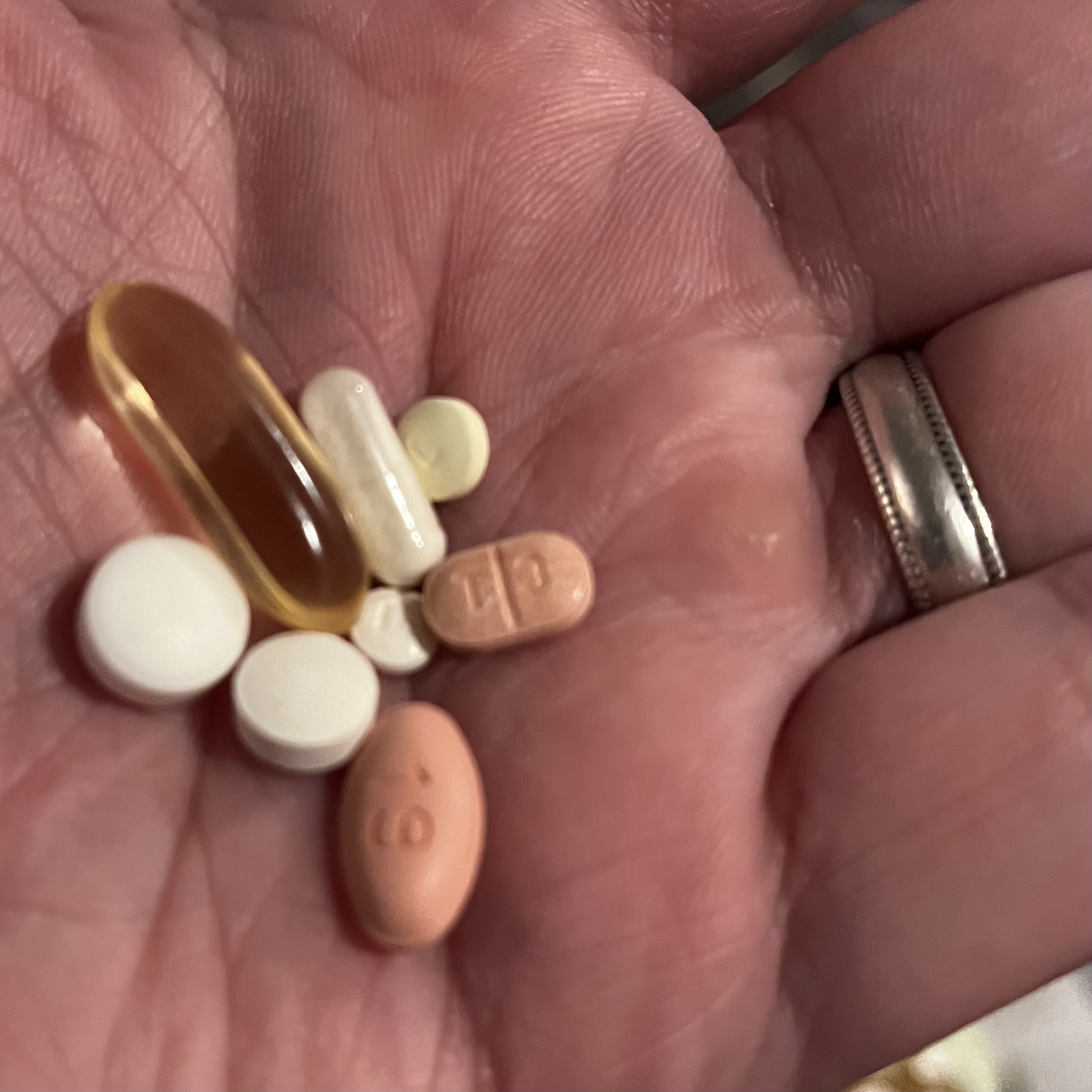
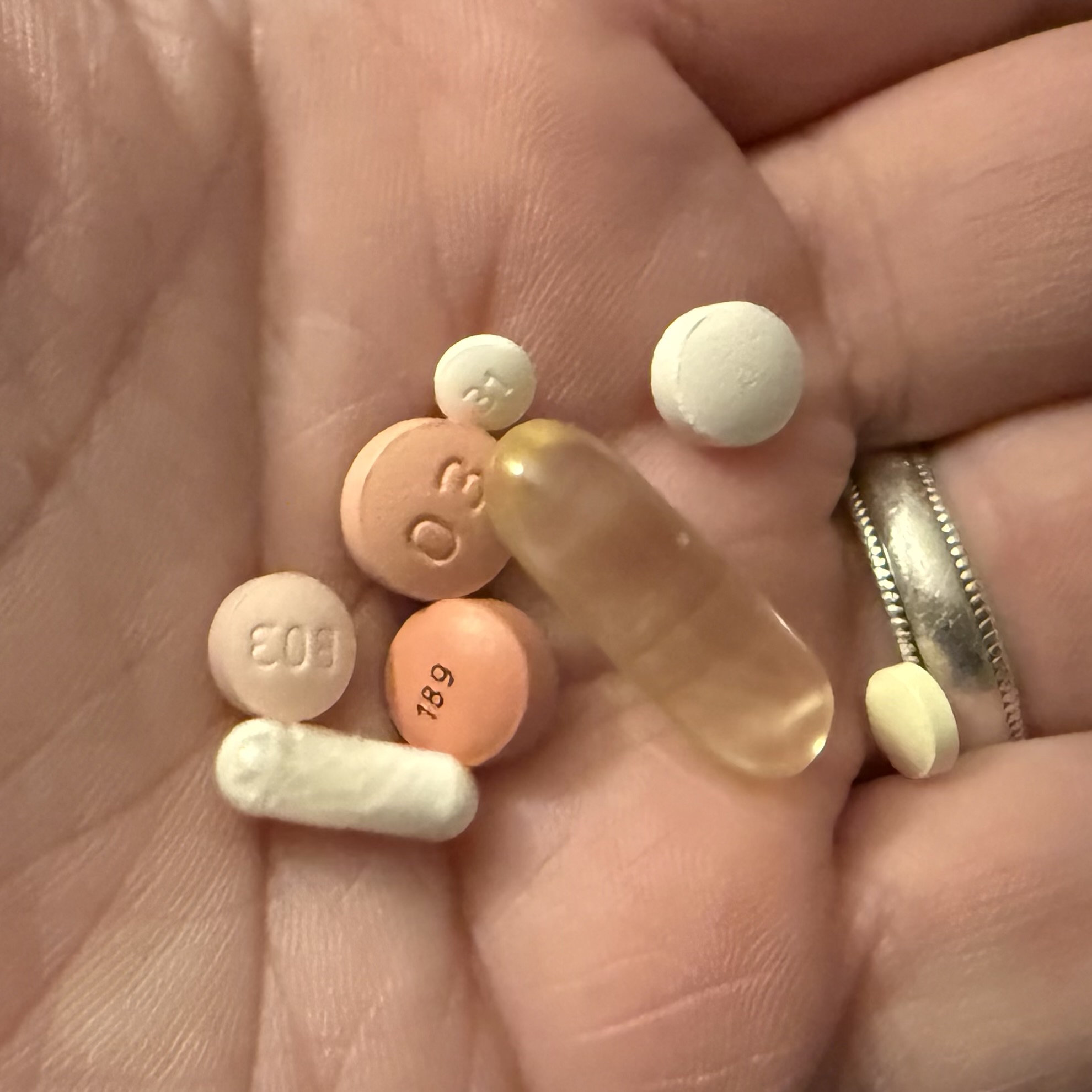

My regimen is a bit more complicated now because the timing is important.

Omeprazole, on the left, must be taken 30-60 minutes before food. When I wake up in the morning, I open one of those capsules over my mouth and swallow the granules. I am taking this medication for six months following surgery. It reduces the amount of acid my stomach produces, which helps protect my stomach while it heals.
An hour later I take a daily DS/SADI multivitamin, 150mg (2 x 75) bupropion and Culturelle. The multivitamin is formulated specifically for duodenal switch patients. My digestive system now absorbs less of some nutrients from food, so the multivitamin helps make up for that.
At noon, I take the first of three doses of Citracal, which contains calcium and vitamin D3. The body can absorb only a limited amount of calcium at a time so it has to be spread throughout the day. Calcium can interfere with iron absorption, so the first dose is at least two hours after the multivitamin, which contains iron.
At 5 pm I take second doses of Citracal and bupropion. Bupropion is an antidepressant I’ve been taking for many years. Prior to surgery, I took a 300mg extended-release dose once a day in the morning. Because extended-release medications may not be fully absorbed after a duodenal switch, I take the immediate-release version in two doses. I take the second dose at five because bupropion can be stimulating and could interfere with sleep if taken later.
At bedtime, I take the final dose of Citracal along with simvastatin for high cholesterol. Because the body produces most of its cholesterol overnight, simvastatin is most effective when taken in the evening.
I’m fewer medications than I was taking before surgery but managing when I take them has become much more important.
Leave a Reply